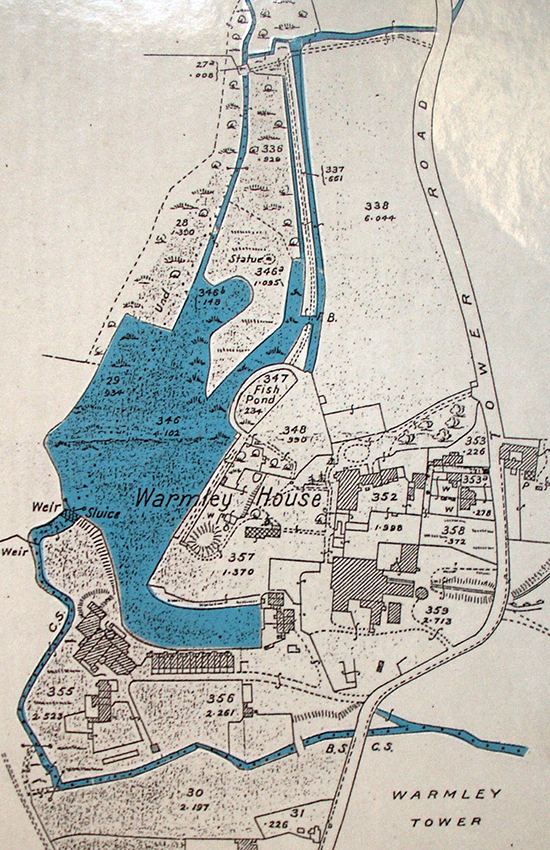
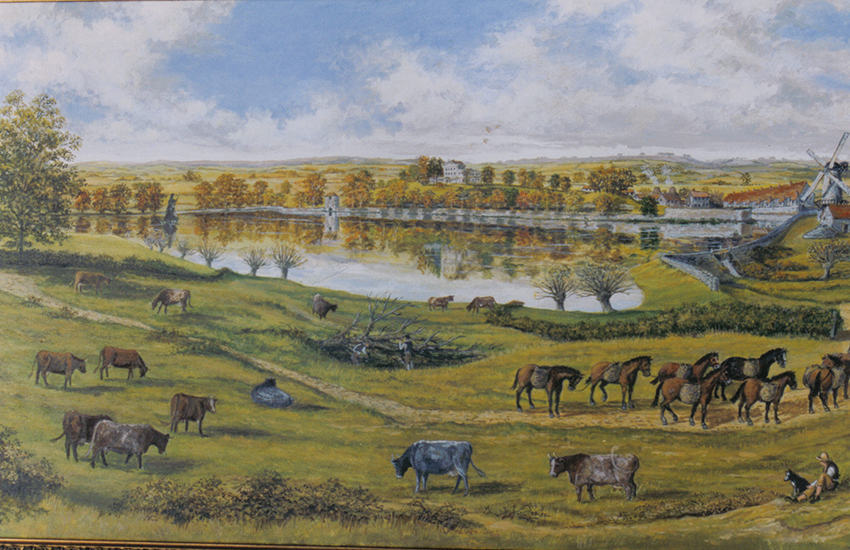
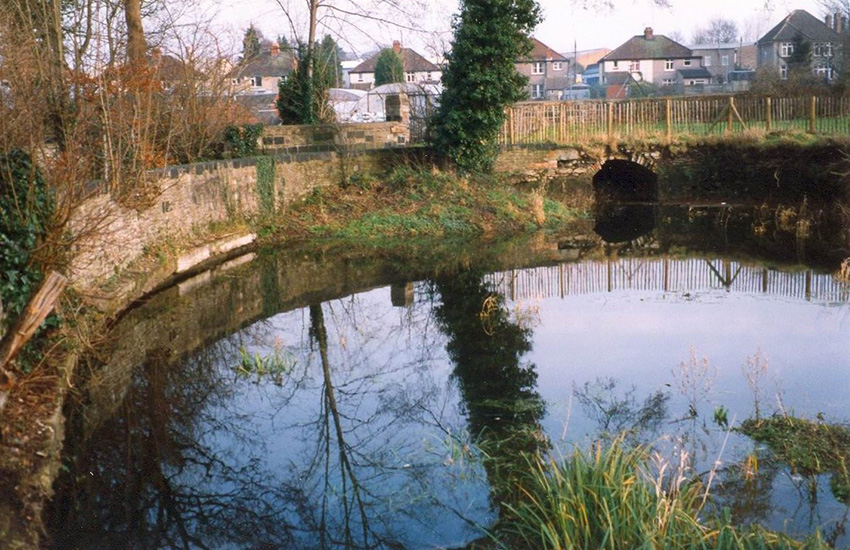
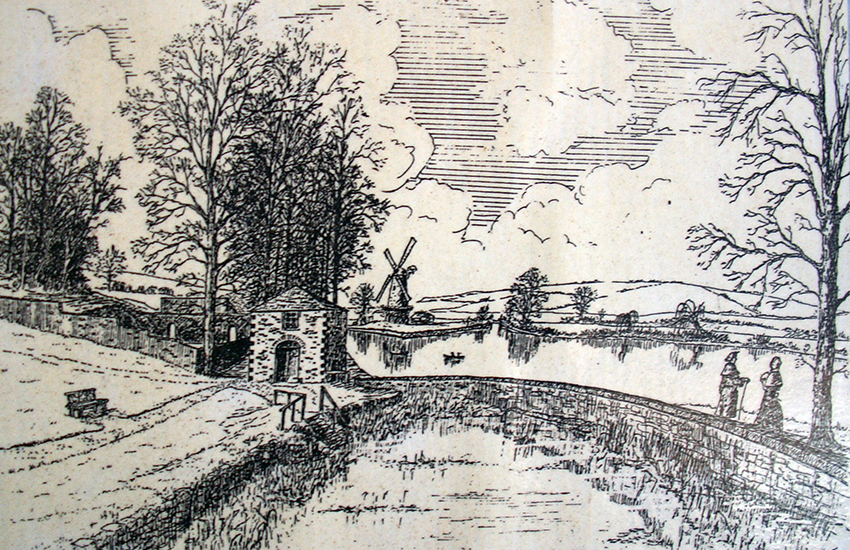
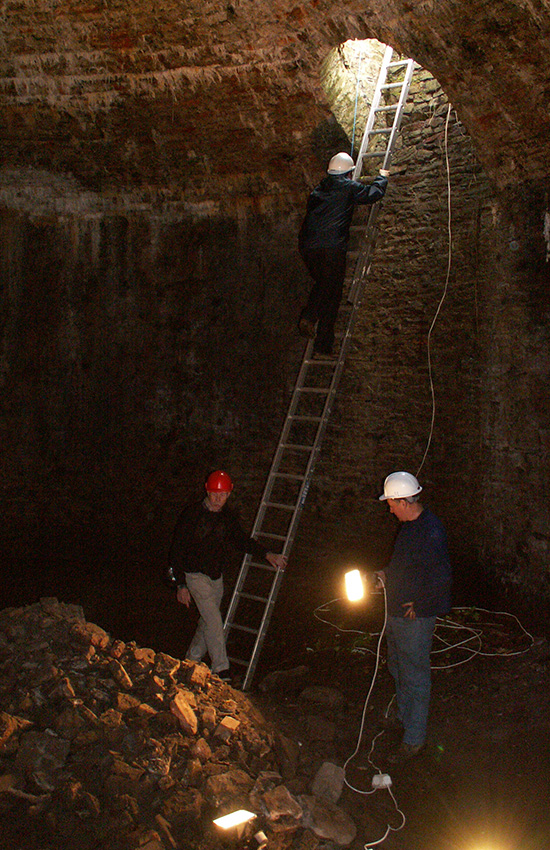
William Champion created one of the earliest pin factories in the country. Besides supplying brass wire to other pin manufacturers, he made pins here by the million.
The process involved cutting the wire to a length for the shank and also to make the head. Twisting wire into a long coil made the head; each three turns of the coil were then cut and separated to produce a myriad of pinheads.
The end of each shank was used to pick up one head that was put onto a block in the pinmaking machine. A foot pedal was used to compress the head onto the shank of the pin operated the processing mechanism. The final stages in manufacture included cleaning and sharpening the newly manufactured pin.
Pins were used in dressmaking and also lace making. Up until the early 1900s they were used as change in haberdashers shops when the amount to be paid was nineteen and eleven pence halfpenny, the packet of pins being worth one halfpenny.
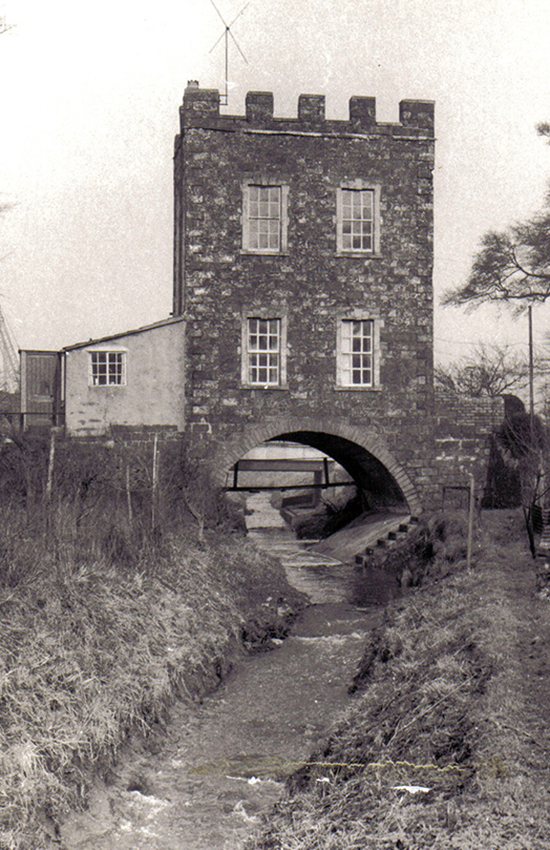
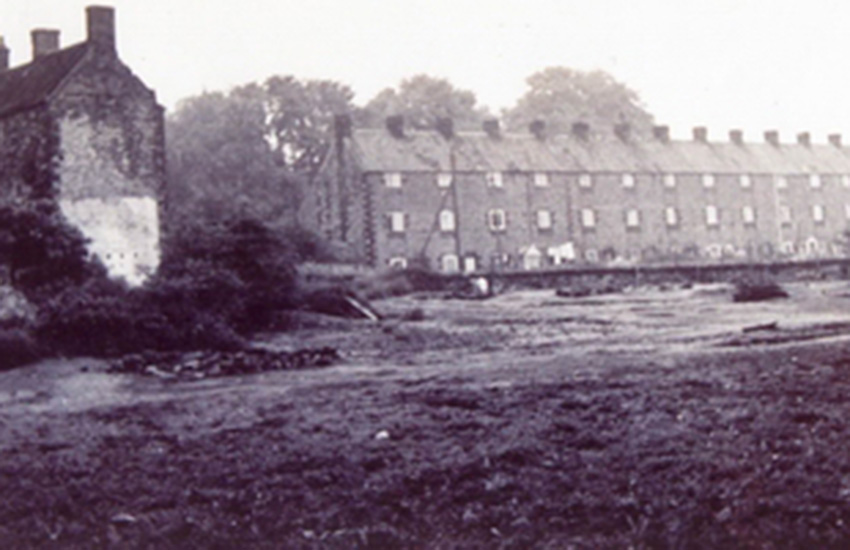
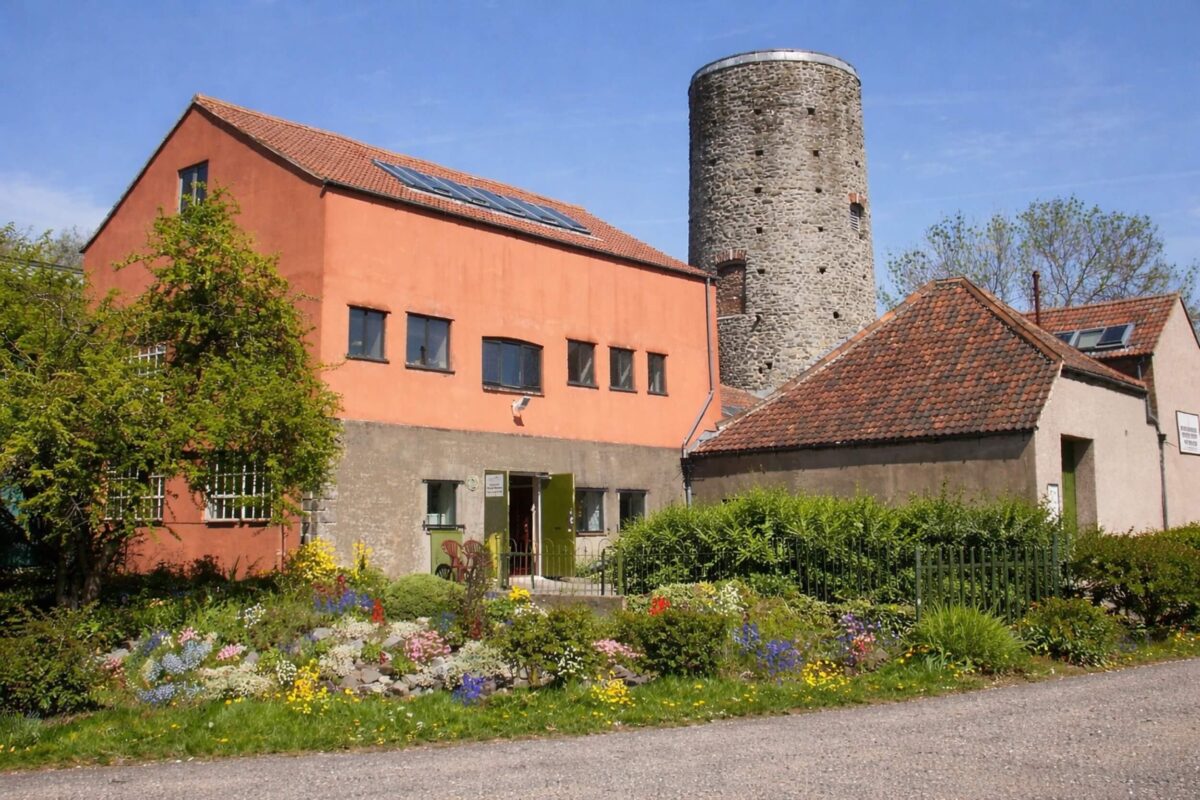
The building later became Haskins Pottery (see picture) and now houses the Clock Tower Association.